

Abstract
The increasing demand for customized wooden products—including signage, furniture panels, and decorative crafts—has significantly accelerated the adoption of digital printing technologies, particularly UV flatbed printers.
In contrast to conventional printing techniques, UV flatbed printing facilitates direct printing onto rigid surfaces such as wood, acrylic, glass, and metal, eliminating the need for transfer films or intermediary processes.
When printing on wood, the selection of an appropriate UV flatbed printer is paramount. Wood’s inherent porosity, texture, and variability introduce specific challenges, including inconsistent ink absorption, surface roughness, and interference from wood grain patterns.
High-quality UV flatbed printers mitigate these issues through advanced ink curing mechanisms, adjustable print heads, vacuum tables, and the capability to apply white ink layers.
This comprehensive review examines the optimal UV flatbed printers for wood printing, addressing essential features, key performance metrics, application contexts, cost factors, and maintenance considerations. Aimed at small business owners, industrial manufacturers, and custom product designers alike, this article offers detailed insights to assist in identifying the most effective printing solutions for wood substrates.
What Is a UV Flatbed Printer?
Definition of a UV Flatbed Printer
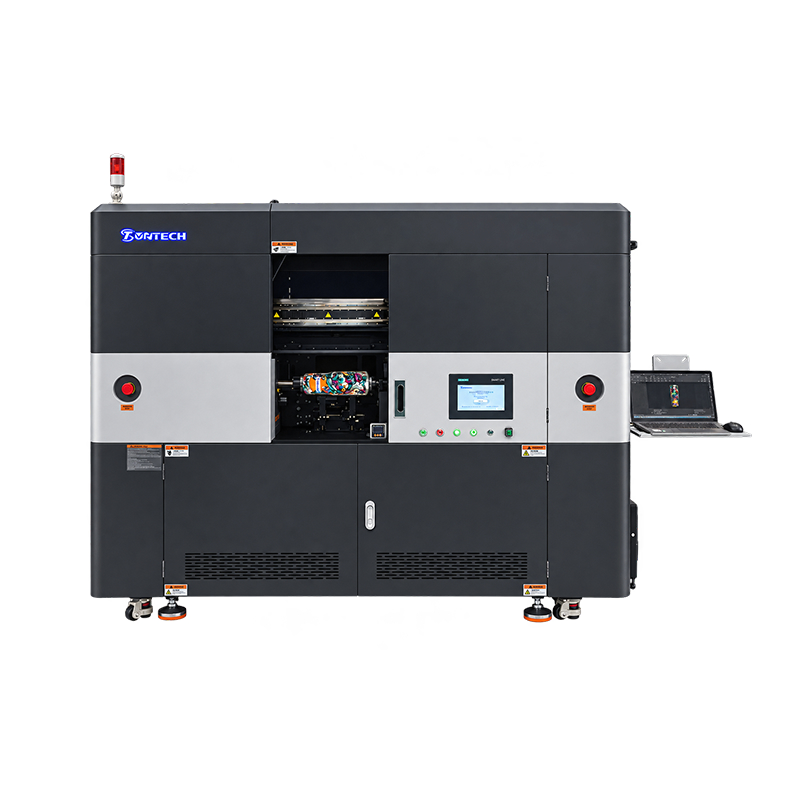
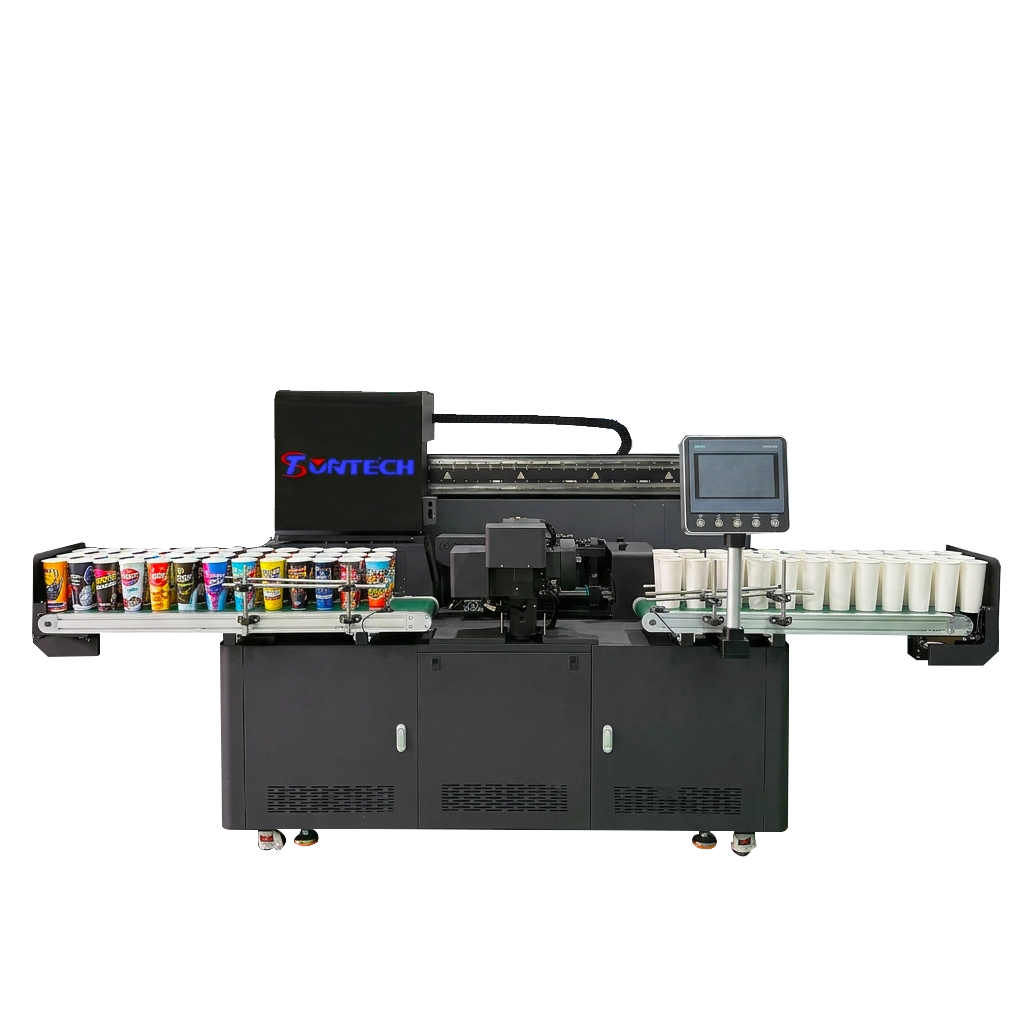
A UV flatbed printer is a digital printing device that employs ultraviolet (UV) light to immediately cure or dry ink during the printing process on a flat substrate. In contrast to conventional printers, this technology enables direct printing onto rigid materials without the necessity for pre-coating or transfer procedures.
How does a UV Flatbed Printer Work?
A UV flatbed printer is an advanced digital printing apparatus designed to apply images directly onto flat or rigid substrates by utilizing ultraviolet-curable inks. This technology is extensively employed for printing on diverse materials such as wood, glass, metal, acrylic, and plastic, owing to its adaptability and capacity to produce high-quality outputs.
Working Principle
- Design Preparation
The initial stage involves creating and refining the desired image or graphic using specialized design software. Subsequently, the digital file is transmitted to the printer, accompanied by appropriate color profiles and printing parameters to ensure accuracy.
- Substrate Placement
The chosen substrate—examples include wood, glass, or metal—is securely positioned on the flatbed platform. This stable placement is critical to maintain precision throughout the printing process.
- Inkjet Printing Process
The print head traverses the surface of the substrate, depositing ultraviolet-curable ink droplets with high precision. These inks are chemically formulated to remain in a liquid state until activated by ultraviolet light exposure.
- Ultraviolet Curing (Instantaneous Drying)
Integrated UV lamps immediately irradiate the freshly deposited ink with ultraviolet light, triggering a rapid polymerization reaction that solidifies the ink almost instantaneously. This process eliminates the need for drying time and prevents ink diffusion.
- Layer-by-Layer Deposition
For specific applications, the printer can sequentially apply multiple ink layers, including white ink or varnish coatings, to generate textured surfaces or enhance visual effects.
- Final Output
Upon completion of printing and curing, the printed product is ready for immediate handling or subsequent processing without requiring additional drying or treatment.
Key Features of the Process
- Direct Printing: Eliminates the necessity for transfer films or intermediary procedures.
- Instantaneous Curing: Accelerates production workflows and minimizes downtime.
- High Precision: Facilitates the reproduction of intricate and high-resolution graphics.
- Material Versatility: Compatible with a broad spectrum of rigid and flexible substrates.
Why Printing on Wood Requires Specialized UV Flatbed Printers?
Wood presents a heterogeneous surface, rendering the printing process more intricate relative to materials such as plastics or glass.
- Challenges Associated with Printing on Wood
- The porous nature of the surface results in uneven absorption of ink.
- The inherent grain structure influences the clarity of the printed image.
- Surface irregularities affect the uniformity and consistency of the print.
- Variations in moisture content can impact ink adhesion.
- Essential Specifications for Wood Printing
To effectively address these challenges, an appropriate UV flatbed printer should possess the following features:
- Robust ink adhesion capabilities.
- Adjustable print head height to accommodate surface variations.
- High-resolution printing output.
- Efficient curing mechanisms to ensure ink durability and quality.
Key Features to Look for in a UV Flatbed Printer for Wood
The selection of an appropriate printer necessitates a comprehensive assessment of multiple technical criteria.
- Print Resolution
A higher resolution is essential to achieve detailed and precise imagery, particularly on textured wooden substrates.
- Ink System
The ink utilized, specifically UV-curable inks, must exhibit flexibility and strong adhesion properties to effectively bond with porous materials such as wood.
- Vacuum Table
An efficient vacuum system is critical to maintain the flatness and stability of wood panels throughout the printing process.
- White Ink Capability
The availability of white ink is important for printing on dark or uneven wooden surfaces, enabling enhanced color accuracy and contrast.
Essential Features Comparison
| Feature | Importance of Wood Printing |
| High DPI resolution | Ensures image clarity |
| Adjustable head height | Handles uneven surfaces |
| UV curing system | Improves adhesion |
| White ink support | Enhances color visibility |
Types of UV Flatbed Printers Suitable for Wood
Different types of printers are designed for various production needs.
- Entry-Level UV Flatbed Printers
Suitable for small businesses and custom shops.
They offer:
- Lower cost
- Moderate speed
- Basic functionality
- Industrial UV Flatbed Printers
Designed for high-volume production.
They provide:
- High speed
- Large print area
- Advanced automation
- Hybrid UV Printers
These combine flatbed and roll-to-roll capabilities.
They are versatile but may be less specialized for thick wood panels.
Printer Type Comparison
| Type | Advantages | Best For |
| Entry-level | Affordable | Small businesses |
| Industrial | High efficiency | Mass production |
| Hybrid | Versatile | Mixed material printing |
Which UV Flatbed Printer Is Best for Printing on Wood?
The optimal choice of printer is contingent upon factors such as production volume, financial constraints, and desired quality standards.
- Small Enterprises
Entry-level UV flatbed printers that offer adequate resolution and fundamental functionalities are generally appropriate.
- Custom Wood Manufacturing
Mid-tier printers equipped with white ink capabilities and adjustable print heads are recommended.
- Industrial-Scale Production
Advanced industrial UV flatbed printers are preferred due to their enhanced speed, robustness, and automation features.
Advantages of Using UV Flatbed Printers for Wood
Ultraviolet (UV) flatbed printer technology has emerged as a preferred method for direct printing on wood surfaces, owing to its operational efficiency and superior print quality.
- Direct-to-Surface Printing
UV flatbed printers enable direct application of images onto wood substrates without requiring transfer films or supplementary mounting procedures, thereby streamlining the production process.
- High-Resolution Image Quality
This technology produces images with sharp detail and vivid coloration, making it particularly suitable for decorative panels, signage, and bespoke wooden products.
- Instantaneous UV Curing
Utilizing UV-curable inks, the printed images undergo immediate curing when exposed to ultraviolet light, facilitating prompt handling and accelerating production timelines.
- Strong Adhesion and Durability
The UV inks exhibit excellent adhesion to wood surfaces, enhancing resistance to abrasion, fading, and environmental factors.
- Versatility Across Wood Types
UV flatbed printing is compatible with a wide range of wood materials, including plywood, medium-density fiberboard (MDF), solid wood, and engineered wood boards.
Applications of UV Flatbed Printing on Wood
Ultraviolet (UV) flatbed printing technology facilitates a diverse array of industrial and commercial applications on wooden substrates.
- Interior Decoration
This technology is employed for the production of customized wall panels, decorative boards, and artistic wooden surfaces within both residential and commercial interior environments.
- Furniture Manufacturing
UV flatbed printing enables the direct application of patterns, textures, and branding elements onto various furniture components, including cabinets, tables, and doors.
- Signage and Advertising
High-quality graphic wooden signage produced through this method is extensively utilized in retail, hospitality, and exhibition settings.
- Personalized Products
The technology supports the creation of bespoke wooden items such as gifts, photo frames, and craft products featuring unique designs.
- Packaging and Branding
Luxury wooden packaging can be augmented with printed logos and decorative motifs, enhancing the branding and aesthetic appeal of high-end goods.
Application Areas
| Industry | Application |
| Furniture | Decorative panels |
| Advertising | Signage |
| Crafts | Custom gifts |
| Interior design | Wall décor |
Cost Considerations
- Initial Investment
UV flatbed printers can range from affordable entry-level models to expensive industrial systems.
- Operating Costs
Costs include:
- Ink consumption
- Maintenance
- Energy usage
- Return on Investment
High-quality printing capabilities can generate significant revenue through custom products.
Maintenance Tips for UV Flatbed Printers
Proper maintenance of a UV flatbed printer is essential for maintaining consistent print quality and prolonging the operational lifespan of the equipment. The following practices are recommended:
- Regular Cleaning of Printheads
Frequent cleaning of the printheads is necessary to prevent ink clogging, particularly during periods of extended inactivity.
- Maintenance of the Ink System
It is important to ensure a stable flow of ink and to prevent contamination within the ink supply system.
- Cleaning of the Printing Area
The presence of dust and debris, especially from wood materials, can adversely affect print quality and potentially damage printer components; therefore, the printing area should be kept clean.
- Monitoring of UV Lamps
Regular inspection of UV curing lamps is required to verify their curing performance, with timely replacement as needed.
- Adherence to Manufacturer Guidelines
Following the manufacturer’s recommended maintenance schedules and operational procedures is critical to minimizing unexpected equipment downtime.
Future Trends in UV Flatbed Printing
The future trajectory of UV flatbed printer technology is characterized by significant advancements in automation, material science, and sustainability.
- Enhanced Printing Speed and Automation
Emerging systems prioritize increased production speeds alongside the implementation of automated workflows to optimize operational efficiency.
- Innovations in Ink Technology
The development of UV inks that are more adaptable, environmentally sustainable, and durable is anticipated to broaden the scope of potential applications.
- Refinement of Printhead Precision
Advancements in printhead technology are expected to yield higher resolution outputs with greater consistency and finer detail reproduction.
- Integration within Smart Manufacturing Frameworks
UV printing technologies are progressively being incorporated into digital production lines and Industry 4.0 infrastructures, facilitating seamless integration and enhanced process control.
- Adoption of Sustainable Printing Practices
The adoption of energy-efficient curing mechanisms and eco-friendly ink formulations is emerging as a critical trend, driven by increasing environmental sustainability requirements.
FAQ: UV Flatbed Printer
What is a UV flatbed printer?
A UV flatbed printer is a machine that prints directly onto flat surfaces using UV-curable ink.
Can UV printers print on all types of wood?
Yes, but results depend on surface preparation and printer quality.
Do you need to treat wood before printing?
In some cases, applying a primer improves adhesion and print quality.
Is UV printing durable on wood?
Yes, UV-cured prints are highly resistant to wear and environmental factors.
How much does a UV flatbed printer cost?
Costs vary widely depending on size, features, and production capacity.
Conclusion
Selecting an appropriate UV flatbed printer for wood printing necessitates a comprehensive understanding of both the distinctive properties of wood and the technical specifications of the printer.
Wood’s inherent characteristics, including its porosity, surface texture, and grain variability, pose specific challenges that require advanced printer features such as high-resolution print heads, adjustable height mechanisms, efficient UV curing systems, and robust ink adhesion capabilities.
By choosing a printer equipped to address these factors, enterprises can produce high-quality, durable, and visually compelling prints suitable for a diverse array of applications. UV flatbed printing has revolutionized the application of designs onto wooden substrates, benefiting operations ranging from small-scale custom workshops to large-scale industrial production.
Its capacity to print directly onto wood without necessitating additional preparatory processes enhances operational efficiency while simultaneously broadening creative opportunities in fields such as furniture manufacturing, signage, interior design, and personalized product creation.
As technological advancements continue, the evolution of UV printing is expected to be driven by enhanced automation, improved ink formulations, and increased sustainability.
For businesses aiming to maintain a competitive edge within the expanding customization market, investing in an appropriate UV flatbed printer represents not merely a technical choice but a strategic commitment to innovation, quality, and sustained profitability.