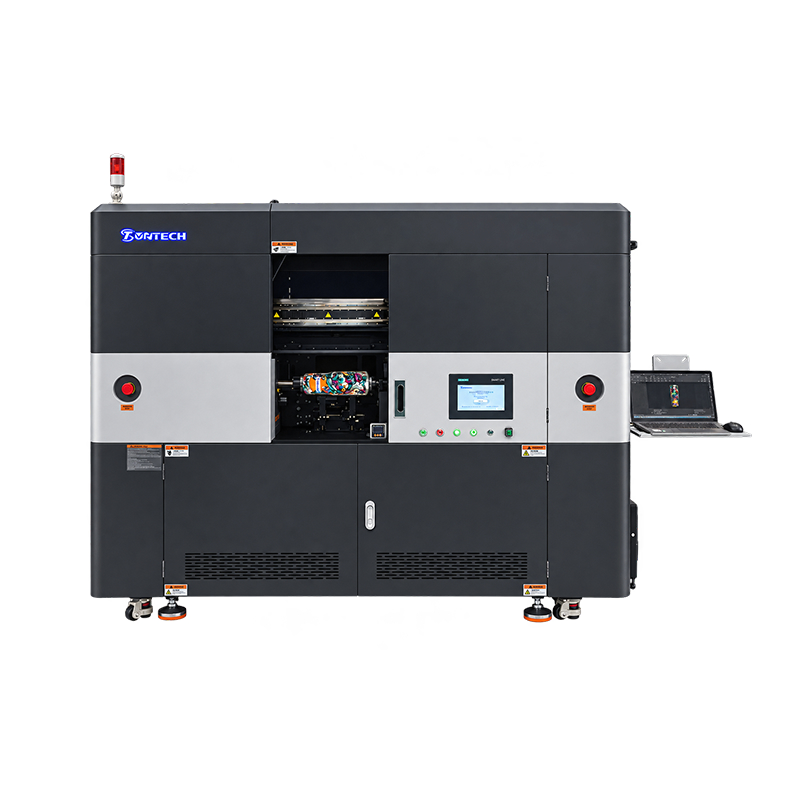
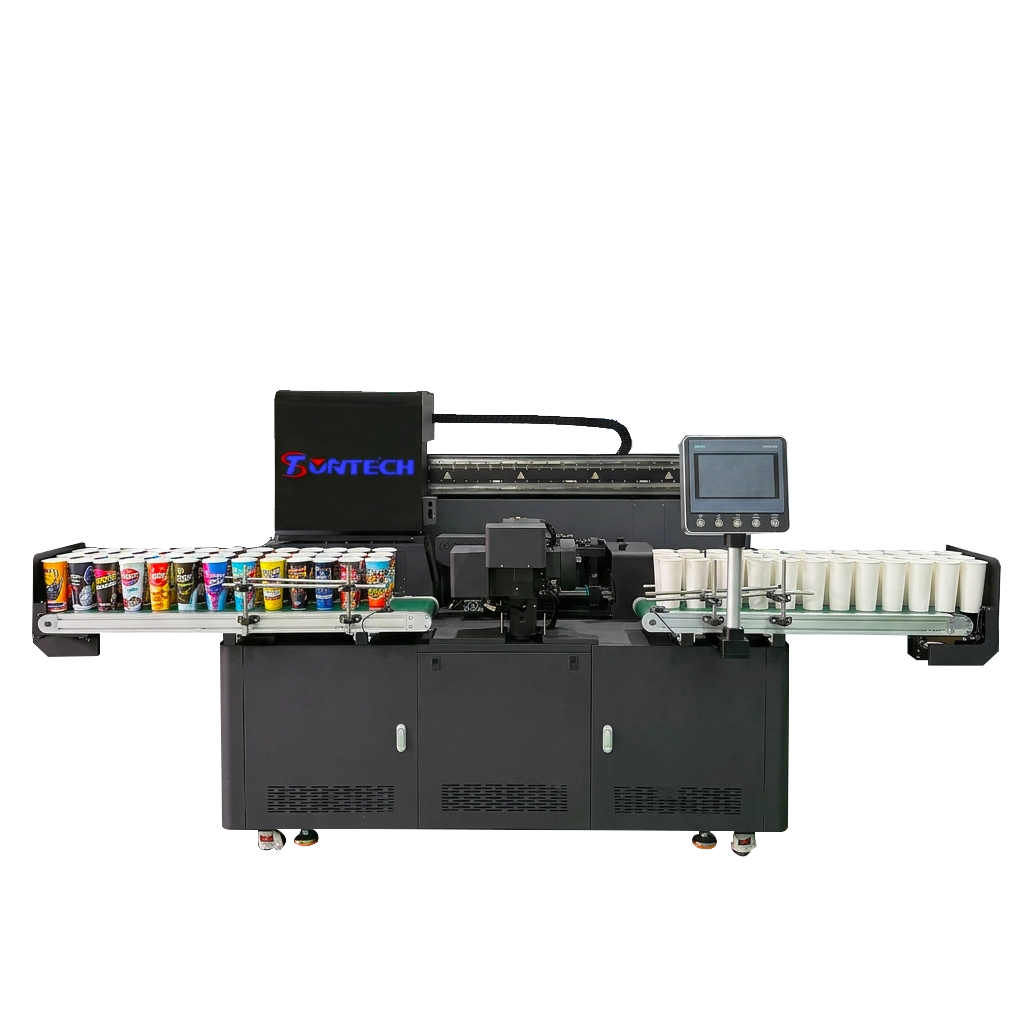

An طابعة نافثة للحبر uses microscopic droplets of ink sprayed onto paper to create images and text, while the EcoTank system is designed to reduce printing costs by replacing traditional ink cartridges with large-capacity ink reservoirs. According to The Printing Ink Manual (edited by R. H. Leach and R. J. Pierce), the quality of inkjet printing depends on the formulation of the ink, the precision of the printhead, and the interaction with the substrate. Modern refillable ink systems improve operational efficiency by reducing cartridge waste. Put simply, EcoTank printers use inkjet technology, but are optimised for lower running costs and high-volume printing.
What’s the Difference Between an Inkjet and an EcoTank?
When choosing a printer for their home, office, or business, many buyers compare inkjet and EcoTank printers as if they are completely different technologies. However, the relationship between the two is slightly different: EcoTank printers are actually a type of inkjet printer that uses a refillable ink tank system instead of conventional ink cartridges.
The main difference lies in the way ink is stored and supplied to the printhead, rather than in the printing method itself. While traditional inkjet printers typically rely on replaceable cartridges, EcoTank printers use high-capacity refillable reservoirs that allow users to add liquid ink directly to the printer.
This design difference affects several important factors:
- Initial purchase price
- Long-term printing cost
- Printing volume capability
- Maintenance requirements
- Environmental impact
- Convenience for frequent users
For occasional home users, a standard inkjet printer may be sufficient. However, for families, offices, schools, photographers, and businesses that print large volumes, an EcoTank-style printer often provides better long-term value.
What Is an Inkjet Printer?
An inkjet printer is a digital printing device that produces images and text by ejecting tiny droplets of liquid ink onto a surface to be printed on. Unlike laser printers, which use toner powder and heat-based fusing technology, inkjet printers rely on the precise control of liquid ink droplets.
The printing process involves a printhead containing hundreds or thousands of microscopic nozzles. During operation, the printer controller determines where the ink droplets should be placed and the printhead releases controlled amounts of cyan, magenta, yellow, and black ink (CMYK) to create detailed images.
Modern inkjet printers generally use two main technologies:
-
Thermal inkjet technology
Thermal inkjet systems use heat to create a small vapour bubble inside the ink chamber. The expansion of this bubble then pushes an ink droplet through the nozzle and onto the paper.
Advantages include:
- Low manufacturing cost
- Compact printhead design
- Good colour reproduction
This technology is widely used in consumer printers.
-
Piezoelectric inkjet technology
Piezoelectric inkjet systems use electrical signals to deform piezoelectric materials, creating pressure that pushes ink droplets outwards.
Advantages include:
- Precise droplet control
- Compatibility with a wider range of inks
- Long printhead lifespan
This technology is commonly used in professional and commercial printing applications.
What Is an EcoTank Printer?
The EcoTank printer was developed to reduce ink costs and waste. Rather than using small, disposable ink cartridges, EcoTank printers contain large, transparent ink reservoirs that users can refill with bottles of ink.
This concept was developed in response to a common issue with traditional inkjet printers: the high cost of replacement cartridges.
While a conventional cartridge-based printer may have a relatively low purchase price, frequent cartridge replacement can become expensive over time. EcoTank printers reverse this model by offering:
- Higher upfront cost
- Lower cost per page
- Larger ink capacity
- Longer periods between refills
EcoTank printers are particularly attractive to frequent print users, such as small businesses, offices, educational institutions, and households with high printing demands.
Key Difference Between Inkjet and EcoTank
The biggest misunderstanding is that people often compare “inkjet” and “EcoTank” as separate categories. In reality:
All EcoTank printers are inkjet printers, but not all inkjet printers are EcoTank printers.
The comparison is mainly between:
- Cartridge-based inkjet printers
- Refillable ink tank inkjet printers
| الميزة | Traditional Inkjet Printer | EcoTank Printer |
| Printing technology | Inkjet | Inkjet |
| Ink storage | Replaceable cartridges | Refillable ink tanks |
| Initial cost | Usually lower | Usually higher |
| Ink cost per page | Higher | Much lower |
| Best for | Occasional printing | High-volume printing |
| Ink replacement | Cartridge replacement | Bottle refilling |
| Waste generation | More cartridge waste | Reduced plastic waste |
| الصيانة | Simple replacement process | Requires proper ink handling |
The printing quality can be similar because both systems may use comparable inkjet technology. The major difference is the ink delivery system.
Print Quality Comparison: Inkjet vs EcoTank
Print quality depends on several factors, including:
- Printhead design
- Ink formulation
- الدقة
- Paper quality
- Printer calibration
Because EcoTank printers use inkjet printheads, they can achieve a similar level of image quality to that of traditional inkjet models. Both types produce sharp text and clear graphics for everyday documents.
For photo printing, performance depends more on:
- Number of ink colours
- Ink chemistry
- Printer resolution
- Paper compatibility
Some high-end cartridge inkjet printers may outperform entry-level EcoTank models in professional photo applications because they use specialised pigment or multi-colour ink systems.
However, many modern EcoTank printers provide excellent photo quality while offering significantly lower operating costs.
Cost Comparison: Which Is More Economical?
The most important difference between traditional inkjet and EcoTank printers appears in long-term operating expenses.
A cartridge printer may cost less initially, but replacement cartridges can represent a significant ongoing expense. Users who print hundreds of pages per month may spend more on ink than the original printer purchase price.
EcoTank printers require a larger initial investment, but refill bottles usually provide thousands of pages of printing capacity.
| Cost Factor | Traditional Inkjet | EcoTank |
| Purchase price | Lower | Higher |
| Replacement ink cost | Higher | Lower |
| Cost per page | Higher | Lower |
| Best usage level | Low-volume printing | Medium to high-volume printing |
| Long-term savings | Limited | Significant |
For users who print only a few pages each month, the savings of EcoTank may not justify the higher purchase price. For frequent printing, the difference becomes much more noticeable.
Advantages of Traditional Inkjet Printers
Although EcoTank printers have become popular, there are still several advantages to traditional inkjet printers.
-
Lower initial investment
Many cartridge-based inkjet printers are affordable and suitable for occasional basic printing needs.
-
Simple ink replacement
Replacing a cartridge is straightforward. Users do not need to handle liquid ink bottles or refill tanks manually.
-
Wide product selection
Traditional inkjet printers are available in many formats, including:
- Compact home printers
- Office multifunction printers
- Professional photo printers
- Portable models
-
Ideal for Low Printing Volume
If a printer is only used occasionally, cartridge-based models offer sufficient value without unnecessary capacity.
Advantages of EcoTank Printers
EcoTank printers offer a range of advantages that make them ideal for modern printing environments.
-
Lower running costs
The biggest advantage is reduced ink expense. Large ink tanks enable users to print many more pages before refilling is required.
-
Less waste
Refill bottles generally generate less waste than repeatedly disposing of plastic cartridges.
-
Convenient for high-volume printing
Users who frequently print documents, invoices, educational materials, or marketing materials benefit from fewer interruptions.
-
Better visibility of ink levels
Transparent tanks allow users to see the remaining ink level directly, reducing the risk of unexpected shortages.
Which One Should You Choose?
The choice between a traditional inkjet printer and an EcoTank printer depends mainly on your printing frequency, operating cost expectations, and long-term usage needs. There is no single best option for everyone—different users benefit from different technologies.
Choose a Traditional Inkjet Printer If:
A conventional inkjet printer is usually better for users with low-volume and occasional printing needs.
Recommended when:
- You print occasionally
Printing only a few documents each month
Mainly used for occasional home tasks
- Initial price is your priority
Lower upfront purchase cost
Suitable for budget-conscious users
- You need a compact printer
Smaller footprint
Easier placement in limited spaces
- Your monthly page volume is low
Around a few dozen pages or fewer per month
Ink consumption is not a major expense factor
Best users:
- Students
- Occasional home users
Small households with minimal printing requirements
Choose an EcoTank Printer If:
An EcoTank printer is designed for users who prioritize low running costs and high-volume printing efficiency.
Recommended when:
- You print frequently
Daily document printing
Regular home office use
Business paperwork
- You want lower operating costs
Refillable ink bottles reduce the cost per page
Less dependence on expensive cartridges
- You need thousands of pages between refills
Suitable for heavy printing workloads
Reduces interruptions caused by frequent ink replacement
- You want to reduce cartridge waste
Refillable tanks create less plastic waste
More environmentally friendly for long-term use
Best users:
- Home offices
- Small businesses
- Teachers and professionals
- High-volume document users
Common Questions About Inkjet and EcoTank Printers
- Is EcoTank better than inkjet?
EcoTank is not a replacement for inkjet technology; it is a refillable ink tank version of inkjet printing. It is usually better for users who print frequently because it reduces ink costs.
- Does EcoTank print better than a regular inkjet?
Not necessarily. Print quality depends on the specific printer model, printhead technology, and ink system. EcoTank printers can provide excellent quality, but image performance varies between models.
- Are EcoTank printers worth the extra money?
For high-volume printing, EcoTank printers are often worth the higher initial cost because ink expenses are much lower over time.
- What are the disadvantages of EcoTank printers?
Common disadvantages include higher purchase prices, the need for careful ink refilling, and potential maintenance issues if the printer is unused for long periods.
- Which printer uses less ink?
EcoTank printers generally use less expensive ink because their refillable tanks provide a lower cost per page compared with cartridge-based inkjet printers.
- Can EcoTank printers print photos?
Yes. Many EcoTank printers can produce high-quality photo prints, although professional photographers may prefer specialized photo inkjet printers with advanced color systems.
الخاتمة
The main difference between an inkjet printer and an EcoTank printer lies in how ink is stored and delivered, rather than in the fundamental printing technology itself. While an inkjet printer uses liquid ink sprayed through microscopic nozzles, an EcoTank printer uses a refillable ink tank designed to reduce ink costs and waste.
For occasional printing, a traditional inkjet printer may remain the most practical choice due to its lower purchase price and ease of use. However, for regular print users, an EcoTank printer can offer significant advantages in the form of lower running costs, a larger ink capacity, and less frequent replacements.
Ultimately, the best option depends on printing volume, budget, maintenance preferences, and expected usage. Understanding this difference helps buyers select a printer that strikes the right balance between performance, convenience, and long-term value.