
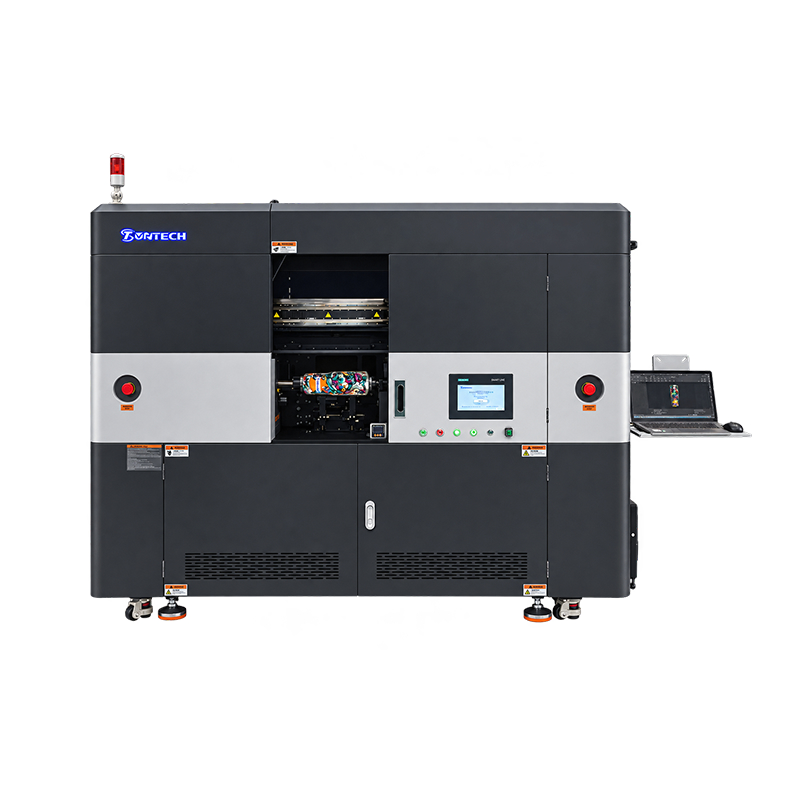
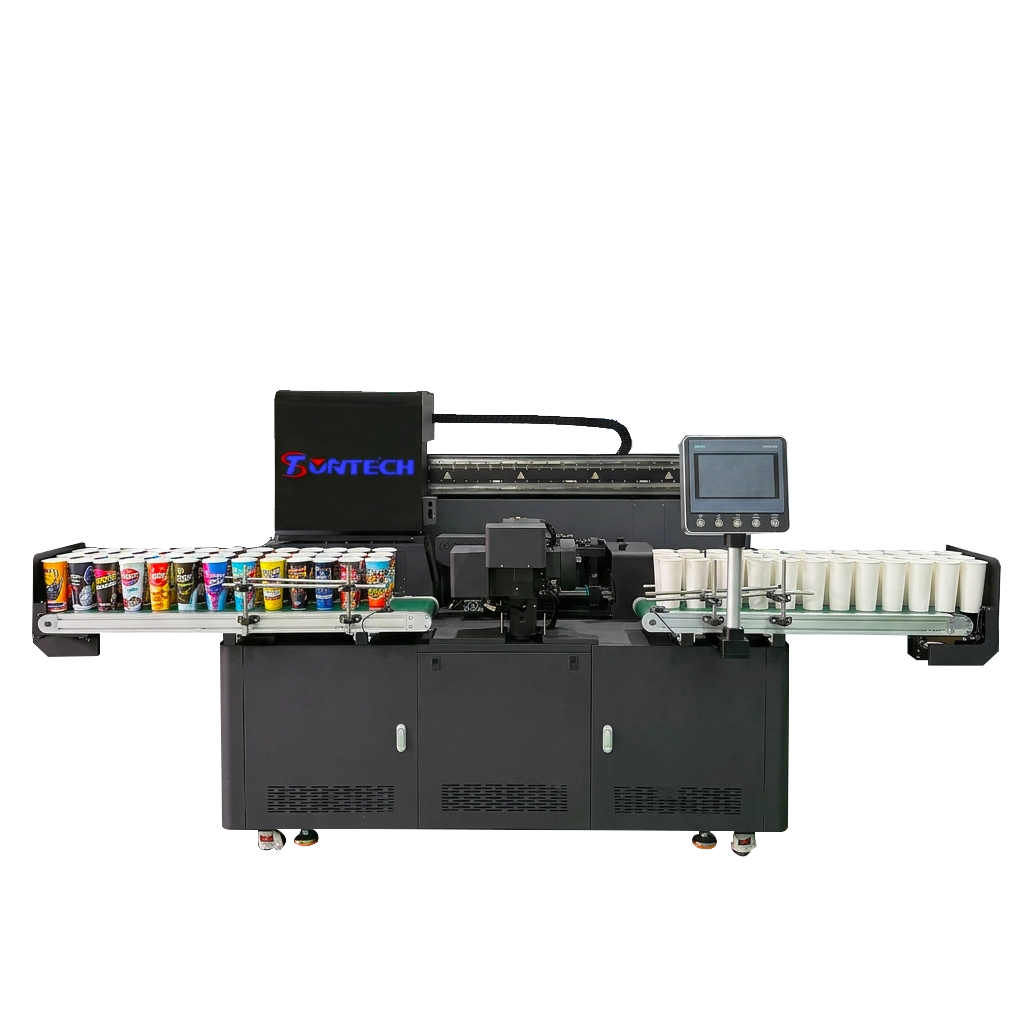

Résumé de l'article :
Impression sur cylindre, également connue plus formellement sous le nom d'impression rotative ou d'impression gravée rotative, est l'une des technologies d'impression en continu les plus importantes dans l'histoire de la reproduction à grande échelle du graphite.
Selon des références classiques en ingénierie de l'impression, telles que le Manuel des supports d'impression de Kipphan, l'Encyclopédie des sciences et technologies, ainsi que des publications techniques de la Society for Imaging Science and Technology (IS&T), les systèmes d'impression basés sur cylindres ont eu un impact significatif sur la production de masse en permettant un transfert rapide, cohérent et répété d'images sur de longs substrats.
Contrairement à la méthode d'impression à plat, la méthode d'impression sur cylindre repose sur des cylindres gravés ou à motifs qui tournent pour transférer l'encre avec une précision essentielle aux secteurs du textile, de l'emballage, des feuilles décoratives et de l'impression de sécurité.
Sur la base de littérature autorisée, de documents historiques et de pratiques industrielles modernes, cet article fournit une description complète de la manière dont les cylindres sont imprimés, depuis les principes fondamentaux de l'action mécanique jusqu'aux méthodes numériques avancées de gravure.
Introduction : Pourquoi l'impression sur cylindre reste-t-elle pertinente sur le plan industriel ?
Dans une période de plus en plus alimentée par l'impression numérique et la technologie d'impression à jet d'encre, il est facile de sous-estimer l'importance continue de l'impression sur cylindre. Cependant, cela est particulièrement vrai pour plusieurs industries, notamment celles du textile, de l'emballage souple, du papier décoratif et des revêtements muraux. L'impression sur cylindre est encore couramment utilisée dans la fabrication.
Sa capacité à fournir constamment des vitesses élevées la rend supérieure d'un point de vue économique et technique pour les longues séries de production.
Au cœur, la méthode d'impression sur cylindre est un exemple de l'industrialisation de l'impression. En remplaçant les périodes courtes de repos et d'activité par une rotation continue, elle a transformé l'impression d'un processus en une méthode de fabrication pratique.
Comprendre le mécanisme de l'impression sur cylindre n'est donc pas seulement une démarche technique, mais aussi un moyen de saisir l'évolution moderne de la production de masse.
Qu'est-ce que l'impression sur cylindre ?
L'impression sur cylindre est une méthode d'impression qui utilise un ou plusieurs rouleaux cylindriques gravés, gravés ou simplement empruntés. Ces rouleaux tournent tout en transférant l'encre sur un substrat. Le substrat, qui peut être du papier, du tissu, du film plastique ou un matériau composite, se déplace continuellement à travers l'unité d'impression tout en restant en contact constant avec le cylindre en rotation.
Contrairement à la plaque d'impression à plat, la surface sphérique du cylindre permet une impression ininterrompue à des vitesses linéaires élevées. Chaque tour du cylindre correspond à une itération complète du motif imprimé, ce qui fait de la longueur de répétition une considération importante en matière de conception.
L'impression sur cylindre est généralement associée à l'impression rotative par gravure ; cependant, le principe sous-jacent s'applique également à d'autres formes d'impression typographique rotative, y compris l'impression offset rotative et certains types spécifiques d'impression par sérigraphie rotative.
Développement historique de la technologie d'impression sur cylindre
Les débuts de l'impression sur cylindre remontent au début du XIXe siècle, lorsque des inventeurs tentèrent de contourner les limites de vitesse des presses à plat. Les premières presses rotatives remplacèrent la platine fixe par un réservoir rotatif, ce qui augmenta considérablement la capacité de production pour les journaux et les livres.
Vers la fin du XIXe siècle et au début du XXe siècle, la pratique de l'impression sur cylindre s'était étendue au-delà du seul but de publication ; elle était utilisée dans la décoration et la fabrication. La création de méthodes chimiques de gravure permit une reproduction précise des images sur des cylindres métalliques, ce qui conduisit au développement du procédé d'impression par gravure comme forme la plus populaire d'impression haute qualité et à haut volume.
Dans la fabrication du textile, la méthode d'impression sur cylindre permit la reproduction continue de motifs, remplaçant la méthode laborieuse d'impression par blocs et facilitant la mondialisation de la production textile.
Principe mécanique fondamental de l'impression sur cylindre
Mécaniquement, le processus d'impression sur cylindre est simple et puissant : le mouvement de rotation combiné à une pression contrôlée permet une reproduction cohérente des images.
L'axe du cylindre d'impression est perpendiculaire à sa rotation, ce qui lui permet d'être partiellement immergé dans l'encre ou d'y avoir accès. À mesure que le cylindre tourne, l'encre est pompée dans les cellules gravées ou dans les motifs en relief. L'encre excédentaire est retirée par les lames doctorantes ou par le mécanisme d'essuyage, ne laissant ainsi que l'image souhaitée.
Lorsque le substrat se déplace entre le mécanisme d'impression et un rouleau d'impression, la pression exercée par le mécanisme pousse l'encre du cylindre sur la surface du substrat. La nature constante de la rotation garantit que l'encre sera déposée de manière uniforme sur toute la longueur de l'objet imprimé.
Composants clés d'un système d'impression sur cylindre
Une machine moderne d'impression sur cylindre comporte plusieurs composants qui influencent tous de manière significative la qualité des impressions et la stabilité de la machine.
- Cylindre d'impression en place
Le cylindre d'impression est le cœur du système. Généralement constitué d'acier et recouvert de cuivre et de chrome, la surface du cylindre contient des milliers de microcellules ou de motifs gravés qui décrivent l'image visualisée. Le volume d'encre, sa forme et la densité des cellules affectent directement le volume et la reproduction tonale.
- Alimentation en encre et système d'encrage
L'encre est distribuée à la chambre par une cuve ouverte ou par un système fermé. Des solvants à faible viscosité sont généralement employés pour faciliter le remplissage rapide et la libération des cellules gravées.
- Ensemble de lame doctorante
Une lame doctorante retire l'excès d'encre de la surface du cylindre ; cela garantit que l'encre reste uniquement dans les cellules gravées. L'angle de la lame, la pression et la composition du matériau influencent fortement la cohérence des impressions.
- Cylindre d'impression ou rouleau support
Le cylindre d'impression soutient le substrat et exerce une pression sur le cylindre d'impression. Une régulation précise de la pression est essentielle pour éviter les distorsions ou les transferts d'encre mal alignés.
- Gestion du substrat et installations de séchage
Le système de transport du substrat assure une tension et un alignement constants, tandis que les unités de séchage intégrées éliminent le solvant ou l'eau de l'encre avant l'impression suivante ou le rebobinage.
Comment fonctionne l'impression sur cylindre : le processus étape par étape ?
Pour bien comprendre le fonctionnement de l'impression sur cylindre, il est utile de suivre la procédure depuis la création de l'image jusqu'à son achèvement final.
Le processus commence par la conception des images et la préparation de la préimpression. L'art numérique est ensuite séparé en composants colorés, et la longueur de répétition et l'alignement sont ajustés. Chaque couleur est généralement imprimée séparément à l'aide d'un mécanisme d'impression dédié.
L'image numérique est ensuite transférée sur la surface du cylindre par des moyens mécaniques, laser ou chimiques. Cette étape influence la résolution et la qualité tonale de l'impression finale.
Pendant l'impression, l'encre est ajoutée au cylindre en mouvement de façon continue. À mesure que le cylindre tourne autour du réservoir d'encre, les cellules se remplissent de la substance. La lame doctorante est utilisée pour éliminer l'encre excédentaire des cellules, laissant ainsi une quantité spécifique dans chaque cellule.
Le substrat est transporté entre le mécanisme d'impression et le mécanisme d'impression ; là, la pression provoque l'évacuation de l'encre des cellules vers le substrat. Après avoir été déposé dans la zone de séchage, le substrat reste quelques instants afin de fixer l'encre avant que la station de couleur suivante ou le processus final ne soit effectué.
Ce cycle se répète continuellement, ce qui permet d'obtenir des vitesses de production élevées avec peu de variations.
Types de procédés d'impression sur cylindre
Bien que le concept général reste le même, le processus d'impression sur cylindres comporte plusieurs étapes différentes.
- Impression rotative par gravure
La méthode d'impression circulaire est la forme d'impression sur cylindres la plus populaire. Elle utilise des cellules imprimées avec un haut degré de détails et une faible fluidité, ce qui produit une qualité d'image exceptionnelle et une progression tonale douce.
- Impression rotative typographique
Dans cette variante, les zones en relief de l'image sont transférées directement sur le support. Aujourd'hui, elle est moins courante, mais reste pertinente dans certains cas spécifiques.
- Offset rotatif
Ici, l'image est transférée du cylindre à une couche en tissu qui est ensuite transférée sur le support. Cette approche indirecte réduit les dommages et améliore la qualité des impressions sur des surfaces irrégulières.
Tableau : Comparaison des principales méthodes d'impression sur cylindres
| Méthode d'impression | Type d'image | Transfert d'encre | Applications typiques |
| Gravure rotative | Cellules gravées | Direct | Emballage, textiles |
| Typographie rotative | Relief en relief | Direct | Étiquettes, sécurité |
| Offset rotatif | Plaque plane via couverture | Indirect | Édition |
Impression sur cylindres dans la fabrication textile
Dans la production textile, la méthode d'impression sur cylindres permet une application prolongée du motif sur une grande surface de tissu. Des cylindres de grande taille facilitent des longueurs de série importantes, tandis que les configurations multi-cylindres permettent des motifs complexes et multicolores.
Cette procédure est particulièrement appréciée pour sa capacité à produire des motifs cohérents sur des milliers de mètres, ce qui est nécessaire pour les vêtements, les textiles, la décoration intérieure et les tissus d'ameublement.
Impression sur cylindres dans les industries de l'emballage et de la décoration
L'emballage souple repose principalement sur la méthode d'impression sur cylindres en raison de sa capacité à traiter des films et des feuilles minces à haute vitesse.
D'autres avantages des cylindres gravés incluent la profondeur et la cohérence obtenues avec les stratifiés décoratifs, le papier peint et le papier imitation bois.
Facteurs de contrôle de la qualité dans l'impression sur cylindres
La qualité du matériau imprimé dépend de multiples variables interdépendantes, notamment le degré de précision des cylindres, la nature de l'encre, l'état de la lame, l'absorption du support et l'alignement de la machine.
Même de légères variations au niveau du centre du cylindre ou de la pression de la lame peuvent entraîner des rayures, des changements de couleur ou une distorsion de l'image. Ainsi, le processus d'impression sur cylindres dépend essentiellement de techniciens qualifiés et d'une maintenance rigoureuse basée sur des protocoles.
Avantages de l'impression sur cylindres
L'impression sur cylindres présente plusieurs avantages durables :
- Volume de production extrêmement rapide
- Excellente cohérence et reproductibilité.
- Meilleure gestion des couleurs et plus de contrôle sur la pose.
- La durée de vie des cylindres utilisés en production à grande échelle.
Ces attributs expliquent pourquoi cette méthode reste importante dans l'impression industrielle à haut volume.
Tendances futures dans la technologie d'impression sur cylindres
Les avancées modernes se concentrent sur l'impression numérique sur cylindres, les systèmes hybrides numériques-rotatifs et l'amélioration de la durabilité grâce à des encres à base d'eau et à un séchage économe en énergie.
Ces améliorations cherchent à préserver les avantages fondamentaux de l'impression sur cylindres tout en abordant les coûts et les problèmes environnementaux.
FAQ : Impression sur cylindres
Q1 : Quel est l'objectif de l'utilisation des cylindres en impression ?
L'impression sur cylindres est utilisée pour l'impression à haut volume et constante dans les textiles, l'emballage, le papier décoratif et les graphismes industriels.
Q2 : Quelle est la différence entre l'impression sur cylindres et l'impression à plat ?
L'impression sur cylindres utilise des cylindres rotatifs en fonctionnement continu, contrairement à l'impression à plat, qui est généralement plus lente et implique davantage d'étapes.
Q3 : La pratique de l'impression sur cylindres est-elle identique à celle de l'impression de livres en gravure ?
L'impression en gravure est une spécialité du processus d'impression sur cylindres, mais tous les processus d'impression sur cylindres ne sont pas dédiés à cette méthode.
Q4 : Pourquoi choisir les cylindres pour une production à long terme ?
Parce que les cylindres enregistrés offrent une impression visuelle constante avec peu de variation dans le temps.
Q5 : Quels matériaux peuvent être imprimés par la méthode des cylindres ?
Papier, tissu, feuilles plastiques, fibres et substrats composites sont généralement utilisés.
Conclusion
L'impression sur cylindres reste l'une des méthodes d'impression les plus populaires et économiquement significatives dans le secteur industriel.
En combinant la précision mécanique d'une machine, le fonctionnement constant d'une machine et le contrôle fin du transfert d'encre, elle permet une production de masse avec un haut degré de cohérence que d'autres procédés ne peuvent pas égaler.
Comprendre le processus d'impression sur cylindres – depuis la conception des cylindres jusqu'à la dynamique de l'encre et l'interaction avec le support – fournit aux fabricants des informations cruciales sur l'efficacité, la qualité et l'évolutivité dans les opérations d'impression modernes.