
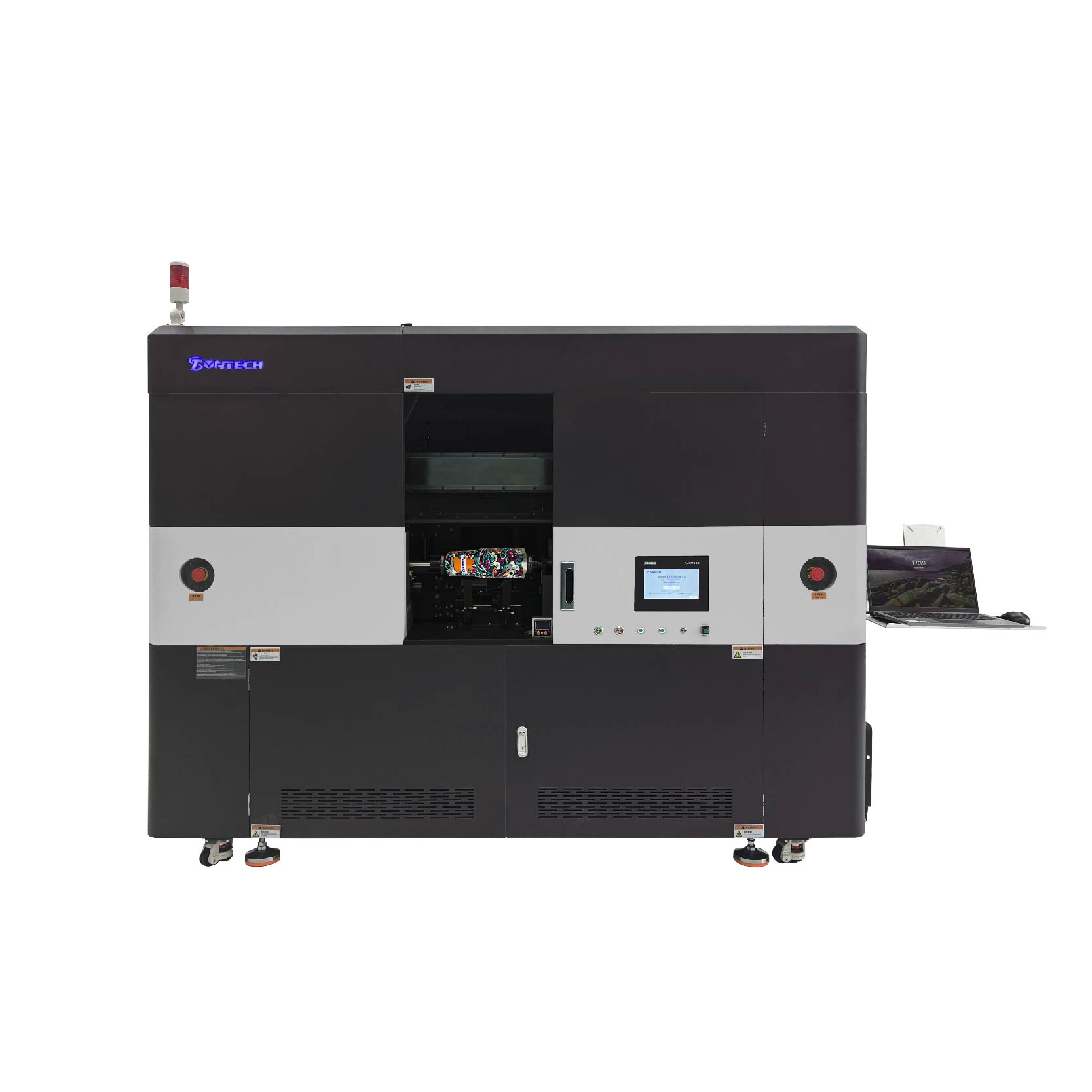
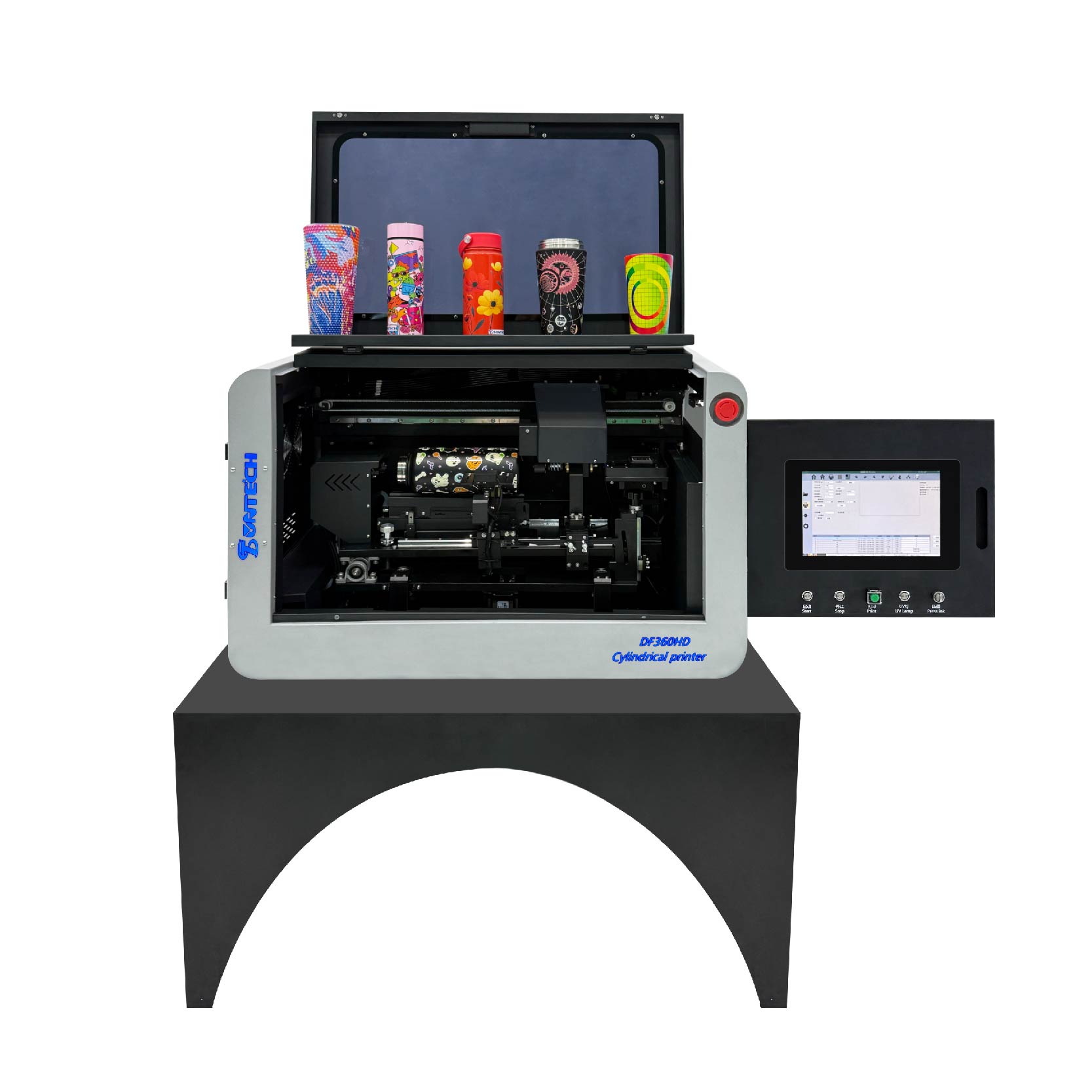
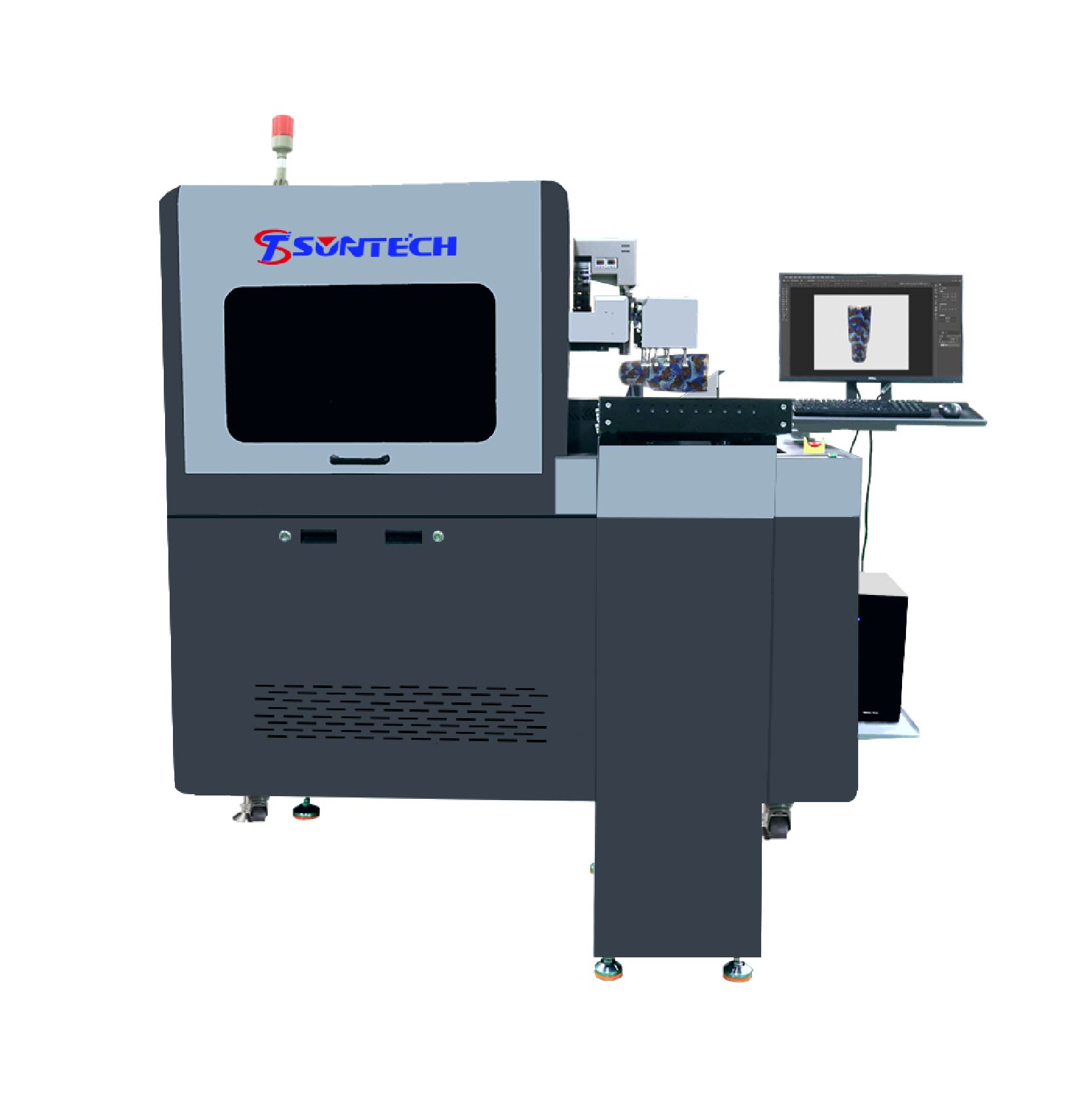
Article Summary:
Selecting the appropriate УФ DTF принтер has become a strategic decision for those involved in print service provision, brand owners, and industrial decoration companies. Because of the direct-to-film technology that is present in the UV market, this technology has altered the custom printing market.
UV DTF printing is notable for its high bond strength, long life, and versatile material composition compared to traditional solvents, environmental solvents, or standard UV printing.
This comprehensive article describes the process of choosing a UV DTF machine. It goes beyond the surface level by studying the structure of the printer, the ink system, the resolution, the productivity, the compatibility of the workflows, the cost of operation, and the long-term viability.
Introduction: Why Choosing the Right UV DTF Printer Matters
The UV DTF printer has evolved from a small-scale innovation to a mainstream production device in the design of signs, promotional products, industrial labels, and personalized manufacturing.
Unlike the conventional UV flatbed or DTF textile printer, a UV DTFprinter is capable of printing on almost any solid surface, including glass, metal, wood, ceramic, plastic, leather, and composite materials, without the need for pretreatment.
However, not all of the UV DTF printers are created with the same level of equality. Variations in hardware design, chemical composition of the ink, film compatibility, curing systems, and software integration can have a significant impact on the quality of printout, the performance of adhesion, productivity, and the cost of operation.
Selecting the wrong ultraviolet (UV) DTF printer can lead to poor transfer performance, unstable production, high maintenance costs, and limited growth.
This guide is intended for those professionals who want a comprehensive, industry-grade approach to evaluating UV DTF printers instead of taking a lot of time to read online reviews or make sales.
What Is a UV DTF Printer?
A UV DTF printer is a digital printing system that produces ultraviolet-curable ink on a special transfer film that is different than the substrate. After the movie is printed and cured, the image is transferred from the movie onto the target object via pressure, which allows for strong adhesion without the need for heat or priming.
The core attributes of a UV DTF Printer are
Employs ultraviolet-curable CMYK, plus white and a varnish coating on the inks.
To print onto films that are released in theaters (A/B system of film release)
Instantly solidify the ink by using the UV LED light source.
Allowed the cold to transfer to flat and uneven surfaces.
High scratch resistance and chemical stability
These attributes make ultraviolet printing devices particularly popular for short-term, high-value customization and industrial design applications.
Why UV DTF Printing Is Growing So Fast?
Before selecting a UV DTFprinter, it’s important to understand why the technology is catching on, as this will directly affect the long-term value of the investment.
Key Market Advantages
Increasing popularity of personalized products.
The growth of small batch manufacturing.
The increased popularity of mixed materials in consumer goods.
Request for environmentally friendly, long-lasting decoration methods
Compared to the traditional method of printing, UV DTF printing has a unique combination of versatility, stability, and low cost of setup. This has led to its rapid adoption in multiple industries.
Key Factors to Consider When Choosing a UV DTF Printer
Selecting the appropriate UV DTF printer is complicated by the need to evaluate multiple technical and financial factors in conjunction, not alone.
- The Technology and Configuration of the Printhead.
The printhead is the center of the UV DTF printer.
Common options for the printhead
Epson i3200-U1 / i1600-U1
Ricoh Gen5 / Gen6
The leaders of Konica Minolta Industries
What to Look For
Native resolution (not an average of the interpolated values)
The consistency of the droplet size.
Constant availability of parts with a long lifespan
The compatibility of ink and the optimization of the waveform.
A professional UV-DTF photographer should utilize professional-grade printheads that have a stable color control that ensures smooth transitions, dense white ink layers, and exact varnish effects.
- Ink System: The Essential Components of UV-DTF Performance
The quality of the ultraviolet (UV) DTF ink is directly responsible for the adhesion, flexibility, and longevity of the product.
The different types of ink employed in ultraviolet (UV) printing devices.
CMYK inks for the color layer.
High-quality white ultraviolet ink that covers.
Transparent ultraviolet varnish that serves as a shield and texture.
Key criteria for selecting Ink
Adhesion to multiple different substrates
The difficulty of transferring the cracked object.
Chemical and abrasion resistance
Implementation of environmental regulations
A high-quality ultraviolet (DTF) printer should have a dedicated form of ultraviolet (DTF) ink, not a generic version of ultraviolet (DTF) ink.
- The compatibility of films and the stability of transfers.
The ultraviolet printing method called UV DTF utilizes a two-layer film system: a release film (A film) and an adhesive film (B film).
The importance of Filmcompatibility is noted.
Indicates the ease of migration
Affects the final surface quality
Influences the long-term commitment
When selecting a UV DTF printer, make sure it has been evaluated and optimized for common UV DTF films rather than uncommon or proprietary materials.
- White Ink’s Design and Circulation Strategy
White ink is vital, but it’s notoriously hard to maintain due to the buildup of titanium dioxide.
Professional UV Printer Necessities
Constant supply of white ink
White ink independence
Automated white-colored ink cleaning processes
Without these attributes, white ink overflow can quickly increase downtime and the costs of maintenance.
- The ultraviolet curing system and energy management
The importance of UV curing quality is paramount in the UV DTF method of printing.
What to Evaluate
The ultraviolet light’s wavelength (typically 365–395nm)
The intensity of the curing process can be altered
Constant printing across a wide range of widths.
Over-curing can cause the ink to be brittle, while under-curing will lead to a decrease in adhesion. A professional ultraviolet (UV) printing device allows precise oversight of the parameters involved in curing.
- Resolution, colorimetrically speaking, and the quality of printout
Only resolution is not sufficient to define quality, but it’s still important.
Professional Comparisons
Effective resolution of 720 × 1200 dpi or higher
Constant color reproduction
Smooth elevations without gaps
A proper design of a UV DTF printer takes into account the need for resolution while balancing the consistency of ink laydown and the resolution.
- Productivity and Efficiency
For those who use the computer professionally, productivity is as important as quality.
Factors that affect productivity.
The printed area’s width (300 mm, 600 mm, or larger)
Number of printers
CMYK, white, and varnish printing simultaneously.
Automated movie running
More productive UV DTF printers lower the cost per unit and increase the reliability of delivery.
- Software, including the RIP, and Workflow, including the Software Crisis, are discussed in this section.
Software is frequently disregarded but essential.
What to Look For
Compatibility with professional Rip software
White and shellac control over the varnish layer.
ICC’s color management assistance
User-friendly interface
A successful ultraviolet printing device smoothly combines with existing digital printing processes.
- Maintenance, Reliability, and After-Sales Support
Long-term success is influenced by more than the specifications listed above.
Key Ideas
Daily maintenance ease
Technical support availability
The supply chain for spare parts
Accurate maintenance records
UV DTF Printer vs Other Printing Technologies
| Technology | Material Range | Долговечность | Стоимость установки | Flexibility |
| УФ-принтер DTF | Very wide | High | Medium | Very high |
| UV Flatbed | Rigid only | High | High | Medium |
| Eco-Solvent | Limited | Medium | Low | Medium |
| Heat Transfer DTF | Mainly textiles | Medium | Low | Medium |
This comparison highlights why UV DTF printers are increasingly preferred for multi-material customization.
How to Match a UV DTF Printer to Your Application?
- Вывески и реклама
Discuss the benefits of color and the importance of durability and density.
- Marketing Products
Accurately evaluate the benefits and drawbacks of small-batch farming and flexibility.
- Industrial Signing
Highlight the importance of adhesion and chemical resistance.
- E-commerce Customization
Conserve speed, quality, and ease of use.
Selecting a UV-DTF printer that is aligned with your project’s requirements will lead to a quicker return on investment.
Cost Structure and ROI Considerations
When selecting a UV-based DTF printer, consider:
The expense of the Printer is
Ink usage
Film and other media
Maintenance work
Energy consumption
A slightly more expensive UV-DTF printer with greater stability that often has lower long-term costs of operation.
Common Mistakes When Choosing a UV DTF Printer
UV DTF ( Direct to Film ) printing has become common for custom labels, decals, and solid surface decoration. However, many consumers pay attention to the surface features and, as a result, purchase equipment that doesn’t fit their production requirements. Understanding the following errors can assist you in making more intelligent investments.
- Only Concerned with the Print Resolution (DPI)
Common error
Assuming higher DPI will automatically lead to better print quality.
Reality:
The quality of the printout is more dependent on
The printhead’s type and consistency
The composition of the ink and the performance of curing
Rip software and color management
More effective methods:
Evaluate the real output of the sample, as opposed to the fine print and color of the sample, instead of just the DPI numbers.
- Disregarding the Ink System’s compatibility
Common error
Select a printer that doesn’t have confirmation of long-term ink availability and compatibility.
Risks include:
Poor attachment to different substrates.
Yellowing or breaking down over time
Limitations on the supplier options available
Professional advice:
Select a printer that supports durable, commonly available ultraviolet printing inks and has demonstrated compatibility with films and enamel layers.
- Overestimating the Film and Laminate’s Quality
Common error
Accusing theprinter of causing the peeling or insufficient adhesion.
Reality:
The performance of the UV DTF is primarily based on this:
Release the movie quality
The consistency of the glue layer
The pressure applied to the laminate and the alignment of the stripes.
Best example:
Ensure the printer system is tailored to the combined procedure of printing films, glue, and laminating, not to components from different vendors that are mixed together.
- Selecting Printheads without taking into account their maintenance
Common error
Selecting high-end printheads that lack an understanding of necessary maintenance.
Future concerns:
Frequent blockage
High price for replacement
Cleaning routine failure downtime
Recommendation:
Maintainability, availability of spare parts, and local technical assistance.
- The disparity between Production Speed and Real Throughput
Common error
Based on the advertised maximum print speed.
Frequently disregarded element:
The amount of time needed to cure
The speed at which the material is laminated.
Workflow hardships
Smart evaluation :
Request genuine daily output information, including printing, curing, and lamination altogether.
- Ignoring the Software and RIP’s compatibility
Common error
Assuming all of the RIP software functions the same.
Troublesome issues:
Poor white ink management
Incorrect color composition
Ineffective varnish or blister effects
Key consideration
Select a UV-DTF printer that has been proven to work with a RIP software that supports color, white, and varnish layers, as well as ICC profiles.
- Ignoring the Power, Cooling, and Environmental stipulations
Common error
Not monitoring the readiness of theworkshop.
UV DTF printers are often characterized by:
Constant power source
Effective air circulation for ultraviolet photodiodes.
Temperature and humidity regulation
The result of this behavior is ignored.
Ink aging issues, film malformations, or reduced equipment lifespan.
- Overestimating After-Sales Support and Education
Common error
Selecting the least expensive machine with no evaluation of support.
Costs that are concealed include:
Extended downtime
Learning by experimentation
Trouble finding parts for repairs
Professional buyers prioritize:
Installation instruction
troubleshooting help
Local or regional customer support
- Purchasing without taking into account the scope of application
Common error
Purchasing a UV-DTF printer for all uses.
Reality:
UV DTF is superior to:
Rigid surfaces (plastic, glass, metal)
Logos, nhãnments, and ornamental graphics
It’s not beneficial for:
Stretched fabrics
Highly effective fabrications
Appropriate approach:
Correspond the printers to the actual types of products and consumer demand.
- Disregarding the Total Cost of Ownership (TCO)
Common error
Limiting the discussion to the machine cost.
Actual costs include:
Ink and movie consumption
Head of the press replacement
Maintenance time
Energy consumption
More accurate decision maker:
Discover the cost of each print run and the return on that investment, not just the initial cost.
Future Trends in UV DTF Printer Technology
UV DTF printing is situated at the meeting point of digital photography, surface decoration, and the manufacturing industry. As markets evolve from being customizable and quick to respond to needs to having high value and being sustainable, UV DTF printers have increased in performance, automation, and scope of use.
- Increased print quality through intelligent color and ink management
Trend:
The quality of prints will continue to increase through more intelligent color management, ink control, and multiple-layer handling, instead of simply increasing the DPI number.
What is the motive?
AI-versed RIP software that is capable of real-time color measurement.
White ink optimization for the consistency of opacity.
More efficient management of the varnish and special effects.
Benefits:
More uniform color throughout the batch.
Less harsh borders with less pollution
Increased production repeatability.
- Wider and More Durable Substrate Similarity
Trend:
Manufacturers are increasing the variety of materials that the UV DTF printers can deal with, including textured and irregular surfaces.
Developments:
Inks that are formulated for use with flexible plastics, ceramics, composites, and treated metals.
Film coatings and adhesive systems that are engineered to attach to low-power surfaces.
Hybrid methods of curing that enhance the crosslinking and stability of the material.
Impact:
Brands can deal with larger product ranges- from mechanical parts to promotional products- without changing technologies.
- Faster Curing and Integrated Workflow Automation
Trend:
UV LEDs and multiple-stage curing systems are causing instant bond formation, which is reducing the required cycle time.
Key Additions:
Intensity decreasing with time (soft start → full cure)
On the lineation and trimming
Continuous automation via conveyorization.
Outcome:
Increased production rate
Reduced post-processing
Less involvement with humans
- Intelligent Monitoring and Predictive Maintenance
Trend:
UV DTF printers are increasingly utilizing IoT sensors and analytics for proactive maintenance and increased uptime.
Features:
The health of the printhead
Ink consumption and viscosity measurement
Automated calibration notifications
Diagnostics that are remote and performance metrics
Business value is measured in terms of revenue generated by the business.
Lower downtime, fewer printhead errors, and enhanced TCO.
- Enhanced Spot and Special Effect Additions
Trend:
Beyond the flat color scheme, UV DTF is adding texture layers, glossy spots, touchable effects, and custom enhancements.
How This Is Effected:
More advanced Rip layer controls.
Accurate coating of the varnish
Multiple pass alignment for 3D styled tactile.
Brand Impact:
Allowed high-value-added customization in markets like fashion, architecture, and art.
- Increased Environmental Sustainability
Trend:
Sustainable manufacturing expectations are causing ultraviolet printing devices to become more environmentally friendly.
Key Opportunities:
Low-VOC ultraviolet inks
Energy-saving LED lighting
Recyclable or environmentally friendly film stock
Less waste from precise writing techniques
Outcome:
Lower environmental impact and a more direct association with corporate goals regarding sustainability.
- Software-Based Personalization and Data Assimilation
Trend:
UV DTF technology is being combined with digital personalization and mass customization services.
Examples:
Data that is printed as a function of user input or a database.
QR/ID printing for verification or prevention of counterfeiting.
Automated egg-laying and optimized design
Producer Benefits:
Rapid response to custom orders
Minimal setup costs
Increased customer interaction
- Modular and Adaptable Hardware Designs
Trend:
The hardware is becoming more versatile, allowing for hybrid technology.
Examples:
Convertible printheads that can accommodate different ink types
Extra-long zones or chillers that add more time to the process.
Additional multi-laminators are Optional.
Value Proposition:
Future-oriented investment that is adept at changing needs.
- Similarity with Other Digital Decoration Resources
Trend:
UV DTF systems are combined with or supplant other manufacturing technologies:
UV flatbeds/roll-to-roll hybrid sheets
Laser modules for completing the process/additionally enhance the product.
Inkjet + CNC combined cells
Result:
End-to-end cells for decoration that utilize multiple media types and combine them into one.
- Moving towards plug-and-play, augmented printers that are SaaS
Trend:
Readily, printers will be marketed as part of a system; the firmware, color profiles, usage statistics, and optimization features are all provided via the SaaS.
What It means:
Constant performance optimization
Genuine cloud-based job scheduling and monitoring.
Subscriptions that provide features
Business Impact:
Less complex learning curves and ongoing performance enhancements with less direct calibration.
FAQ: Choosing a UV DTF Printer
- What is the primary benefit of a UV-DTF printing device?
A ultraviolet (UV) DTF printer allows for the durable, cold transfer of images to almost any hard surface without pretreatment.
- Is a UV-based DTF printer appropriate for novices?
Yes, but machines with automated maintenance and powerful supplier support are recommended.
- How long do ultraviolet (UV)-based prints last?
With the proper ink and exposure, UV-DTF prints can have a long lifespan both indoors and outdoors.
- What kind of maintenance is required by a UV-DTF printer?
Every day, the nozzle is inspected, the period of cleaning is assessed, and the white ink is monitored.
- How do I choose the appropriate size of the UV DTF printer?
Base the size on your typical job’s width, production volume, and growth potential.
Conclusion: How to Choose the Right UV DTF Printer
Selecting the appropriate UV DTF printer is not simply a technical decision, but also a strategic one. Through the evaluation of printhead technology, ink systems, curing methods, software applications, and long-term viability, professionals can choose a printer that consistently produces quality prints, has efficient operation, and is sustainable over time.
